The Rise and Fall of the 180 Cup: A Case Study in Post-Shark Tank Failure
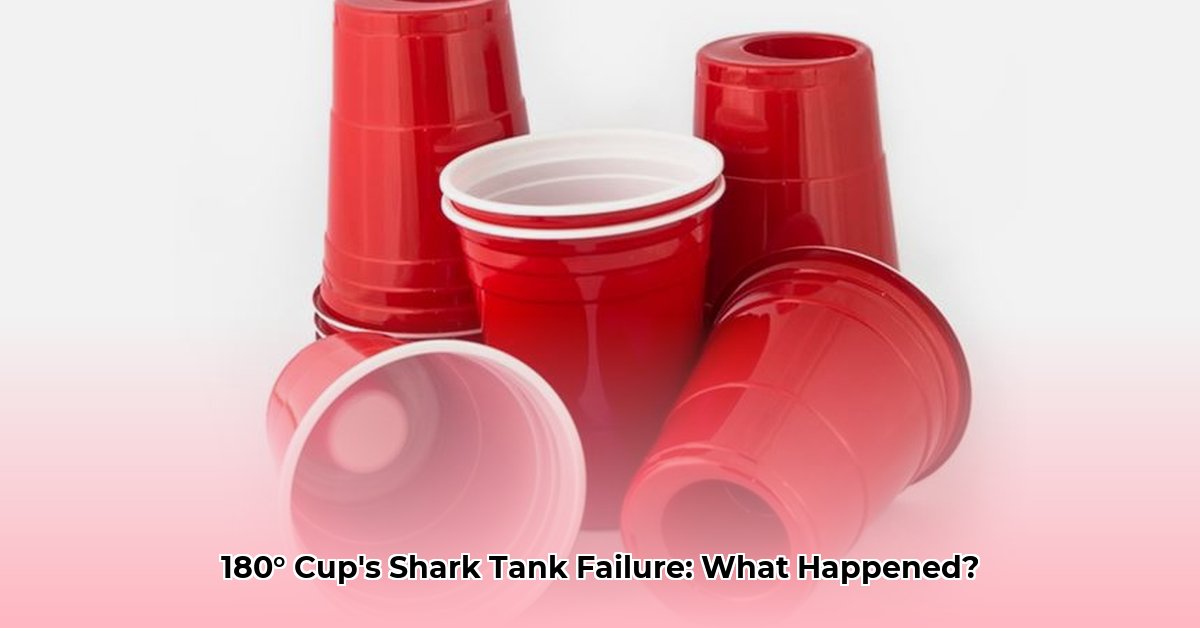
The 180 Cup, a cleverly designed party cup featuring an integrated shot glass, captivated audiences during its Shark Tank appearance. Securing a deal with Daymond John seemed to promise a lucrative future. Initial sales figures, while varying widely (ranging from $385,000 to nearly $5 million in the first six months), undeniably indicated a significant post-show boost. However, this initial success proved unsustainable, ultimately leading to the company's closure by early 2016. For more on Shark Tank success and failure, check out this useful resource. This case study analyzes the contributing factors to both the 180 Cup's initial triumph and its subsequent failure, offering valuable lessons for aspiring entrepreneurs.
A Deep Dive into the 180 Cup's Demise
The 180 Cup's trajectory exemplifies the challenges of translating fleeting popularity into sustainable growth. While the Shark Tank platform provided significant initial brand awareness and sales momentum, several critical factors contributed to its demise.
Market Limitations: A Niche Too Narrow?
The 180 Cup's target market—primarily college students and partygoers—represented a significant limitation. This narrow focus, while initially successful, proved inherently risky. The demand for such a product is inherently cyclical and subject to seasonal fluctuations. This dependence on a specific, limited demographic constrained the company's long-term growth potential. Had the company diversified its target audience or developed supplemental product lines, it might have mitigated this vulnerability.
Internal Conflicts: The Founder-Investor Dynamic
Reports suggest significant tension and disagreements between the founder, Solomon Fallas, and investor Daymond John. These internal conflicts likely hampered strategic decision-making and operational efficiency. Disputes over product development, marketing strategies, and overall company direction, if left unresolved, can significantly impede a company's progress and adaptability. Effective communication, clearly defined roles, and a shared long-term vision are crucial for navigating such potential challenges.
Unsustainable Business Model: Beyond the Initial Hype
The initial surge in sales masked a fundamental flaw: the lack of a robust, scalable business model. The 180 Cup failed to establish sustainable practices and adapt to changing market conditions. The company's reliance on a single product with limited appeal created vulnerabilities to competitive pressures and shifting consumer preferences. A more comprehensive approach to long-term planning, including diversification, cost control, and continuous innovation, would have significantly improved the company's chances for longevity.
Key Takeaways and Actionable Strategies
The 180 Cup's story offers several critical takeaways for entrepreneurs:
- Market Research is Paramount: Thoroughly vetting your target market and assessing its size, growth potential, and long-term viability is crucial. A seemingly promising niche may prove too small to support sustainable growth.
- Founder-Investor Alignment is Essential: Successful partnerships require clear communication, shared vision, and well-defined roles and responsibilities. Internal conflicts can significantly derail even the most promising ventures.
- Build a Sustainable Business Model: Focus on creating a scalable and flexible business model that can adapt to evolving market conditions and withstand competitive pressures.
Risk Assessment and Mitigation
The 180 Cup's failure highlights the importance of proactive risk management. The following table outlines key risk factors and potential mitigation strategies:
| Risk Factor | Likelihood | Impact | Mitigation Strategy |
|---|---|---|---|
| Niche Market Dependence | High | High | Diversify product offerings and target broader markets. |
| Founder-Investor Conflict | Medium | High | Establish clear communication, well-defined agreements, and shared long-term goals. |
| Unsustainable Business Model | Medium | High | Develop a scalable, adaptable business model with robust financial planning. |
| Seasonal Demand Fluctuations | High | Medium | Develop alternative product lines or explore complementary markets. |
| Competition | Medium | Medium | Establish a strong brand identity and differentiate product offerings. |
By carefully considering these risk factors and implementing appropriate mitigation strategies, entrepreneurs can significantly increase their chances of long-term success. The 180 Cup's story, while cautionary, provides invaluable insights into the complexities of building and sustaining a successful business.